The Canadian Hero and the Canadian Dragon
Originally posted as my Canadian Culture newsletter/ ezine.
Watch your step in Canadian cities and parks.
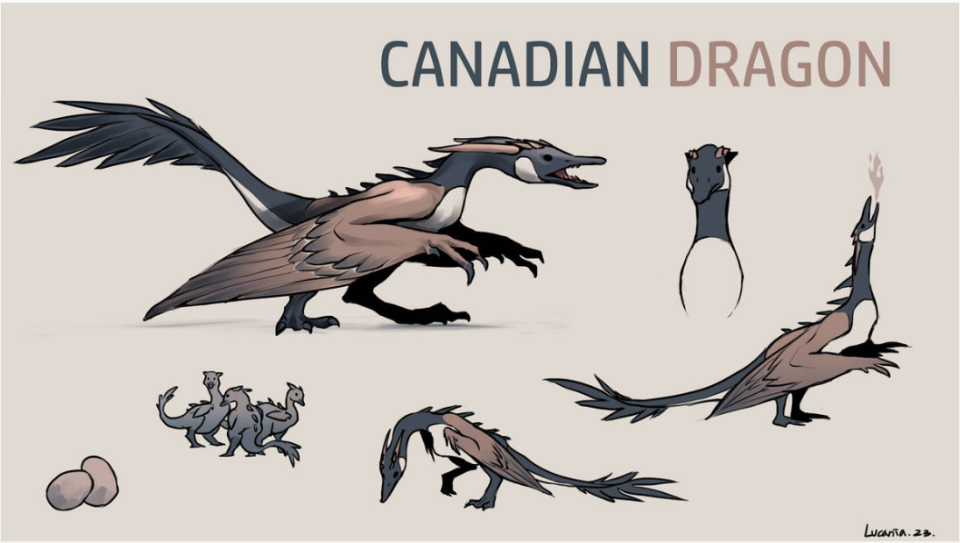 Canadian Dragon source - Lucania Arts
This week I have included Terry Fox as the Canadian Person. In time there will be other people who will become famous, be celebrated, and remembered in Canada. But, I don't think Canadians will ever forget Terry Fox. The young, blonde, college student who battled cancer and lost his life trying to support cancer research. School children are taught about Terry Fox, possibly more than any other Canadian in our history.
Meanwhile, the 'Canadian Dragon', is famous for being bad tempered, aggressive and territorial especially during the Spring season when there are fuzzy little hatchlings around. The Canada goose is so protected and over fed in urban locations and parks, many of them do not fly south any more due to being over weight and/or unfit for the long flight. Also, as climate changes and humans continue to feed them, there is less reason for the birds to migrate. Often you will see signs up in parks, zoos, and urban areas asking people NOT to feed the wildlife, especially the Canadian geese.
Canadian People
Terry Fox (1958-1981)
Terry Fox is known for his Marathon of Hope which he ran after losing his leg to bone cancer. He began on the East Coast and ran with a hop skip until the cancer reached his lungs and he was unable to continue. The Terry Fox Monument, just outside Thunder Bay, Ontario, marks the spot where Terry Fox had to stop on August 31, 1980.
The Terry Fox Run has become a national tradition in Canada. Individuals, communities, schools, businesses, and others participate every year in the Fall season. The Terry Fox Run continues to fund cancer research.
Canadian Places
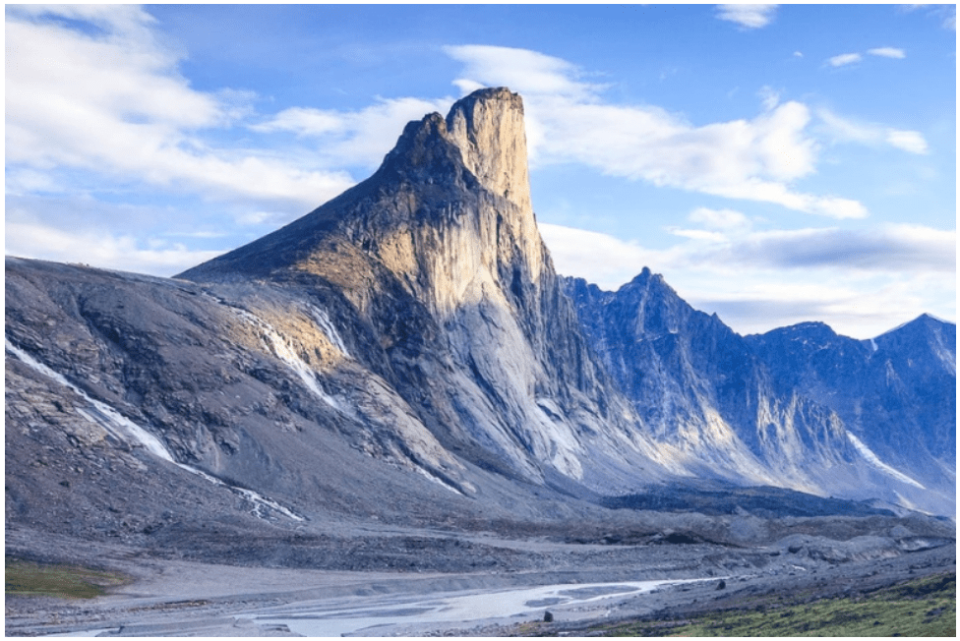
Mount Thor (Thor Peak) is the world's steepest, tallest cliff, the longest vertical drop. It has an elevation of 1,675 meters located in Auyuittuq National Park, on Baffin Island.
Nominated as one of the Seven Wonders of Canada by the CBC.
Try the Geography Quiz from The Canadian Encyclopedia.
Canadian Things
Canada has two official languages: English and French. Most of Canada and Canadians speak and write in English. Mainly, the provinces of Quebec and New Brunswick will be where you will hear the French language. There are also about 70 distinct Indigenous languages in Canada.
Canadian Links
Branden Mark Lavoie - Posting videos of paranormal and history from Sudbury, Ontario. This one is "The Dark History of Sudbury Jail".
Cory Rennie - Posting from Prince Albert, Saskatchewan. This is a video post about Batoche, Saskatchewan. Instagram and YouTube.
Canadian Cosplay Community - a community of cosplayers, costume makers, otakus, gamers.