This is the first newsletter posted from my own site. There are still some bumps to fix but I've got it working enough to keep my Friday schedule.
Canadian Inspiration
Trains used to go east, west, north, south and all over Canada. I feel sad when I see places the train tracks have been pulled up. Wouldn't it be so much better to bring back railways to Canada, not just for passenger trips but all that shipping they used to do too. How is it not better than keeping all those transport trucks on the road? (Considering fuel, traffic, accidents, wear and tear and assorted other issues). Trains seem like a much better option.
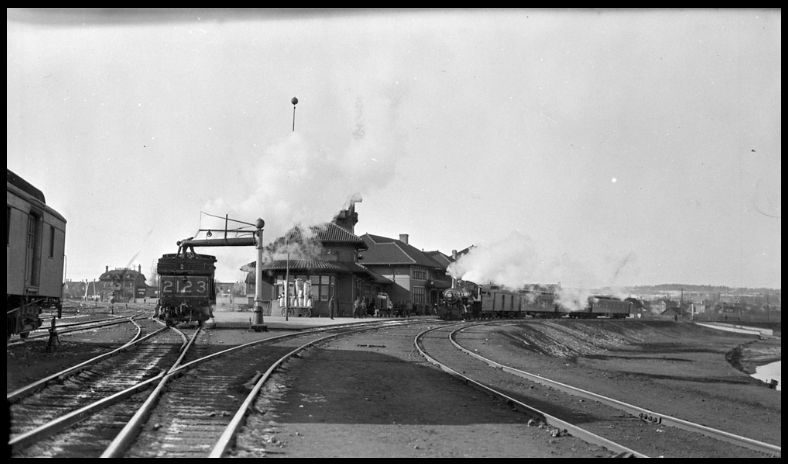
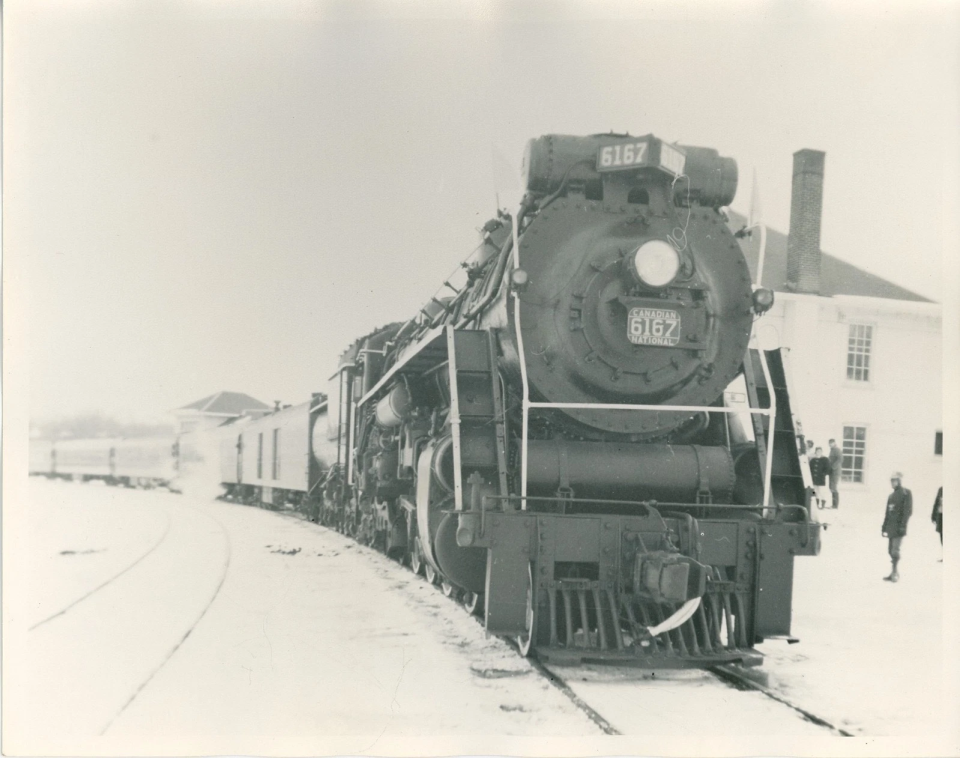
I love train travel across Canada. My brother and I did it as children, just the two of us from Western Canada back to Toronto and even then we caught the bus from Union Station out to our home in Port Union. It was a great trip.
Even before that long trip, I visited my Grandparents, taking the VIA Rail from downtown Toronto out to Woodstock, Ontario. I enjoyed seeing old movies about train travel, especially the rail cars for passengers. My brother and I explored as many of the cars as we could during our trip. We saw one with bunkbed sort of accommodations, but they looked messy and plain. Pretty sure they were no longer in use so it was strange they were still included on the train. I would guess some of the staff used them if they had a long shift for the cross Canada journey.
Your inspiration this week is to remember or (even better) travel on a train, somewhere in Canada to somewhere else in Canada. You don't have to spend a lot or go far. There are local groups who are keeping the shorter lines open with scheduled trips, usually on weekends. See what you can find.
The Train Doesn't Stop Here Anymore: An Illustrated History of Railway Stations in Canada - Ron Brown
Ron Brown writes many Canadian history book, including more about Canadian trains and stations in Canada.
Canadian People
Merna Forster is from Victoria, BC. She ran a (successful) national campaign to have women depicted on Canadian money. She received the Meritorious Service Medal from the Governor General in 2018. Also, the History Award for Popular Media (the Pierre Berton Award) in 2016. She is part of the Unsolved Canadian Mysteries History Project. The list of her awards and achievements is longer, read more.
Merna runs the site - A Guide to Women in Canadian History
If you want to read more about Canadian women, Merna has written two books:
Canadian Places
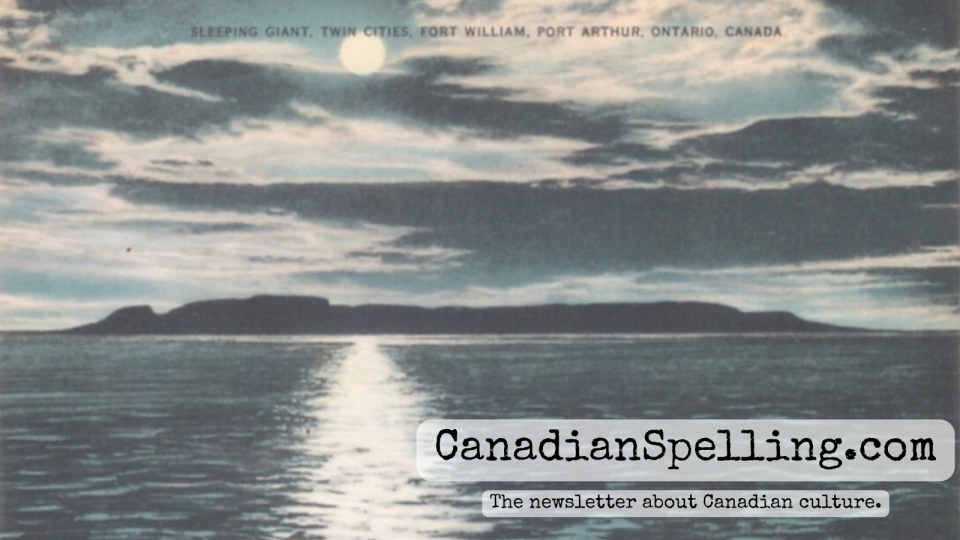 Thunder Cape, Port Arthur, Ontario. The Sleeping Giant. https://www.ebay.com/itm/388151399956
Thunder Cape, Port Arthur/ Fort William, Ontario.
Canadian Things
Did you know the Canadian Tuxedo was started in Vancouver?
Bing Crosby had been in BC for a fishing trip. Afterwards, he wanted to check into the Hotel Vancouver. But denim was not something people would wear to a fancy place like the Hotel Vancouver in 1951. A fancy hotel does need to mind its reputation and keep up standards for their clientele. A bellhop recognized Bing Crosby and all was resolved.
Levi Strauss & Company decided to create a fancy suit, tuxedo, made with denim as a bit of a joke. Levi's called it the Canadian Tuxedo and presented it to Bing Crosby. Bing wore it once, at the event, but chose not to keep it. Maybe it was too fancy for his laid back style. The jacket was sold again in 2024.
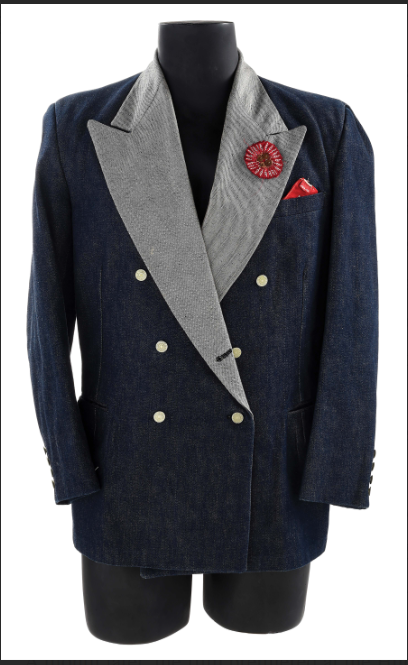
I still hear people refer to someone dressed in denim as wearing a Canadian Tuxedo.
If you want something fancier than the standard denim and denim look - Amazon.ca has a denim suit.
Please help me support my fondness for groceries and the occasional new print book.
One last thing… A Canadian Link or So
Transport Action Canada, Canadian citizen transportation advocacy group, founded in 1977.
Gordon Lightfoot - Canadian Railroad Trilogy
Canadian Military History
Canadian Register of Historic Places
National Trust for Canada
Canada's History
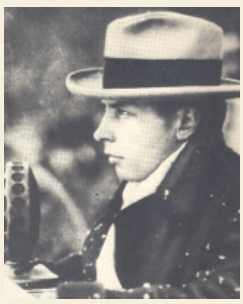 Foster Hewitt was born into a sports family. His father and two of his uncles were sports journalists. At the age of 13 he started working for a newspaper called Toronto News, and by 20 became its sports editor.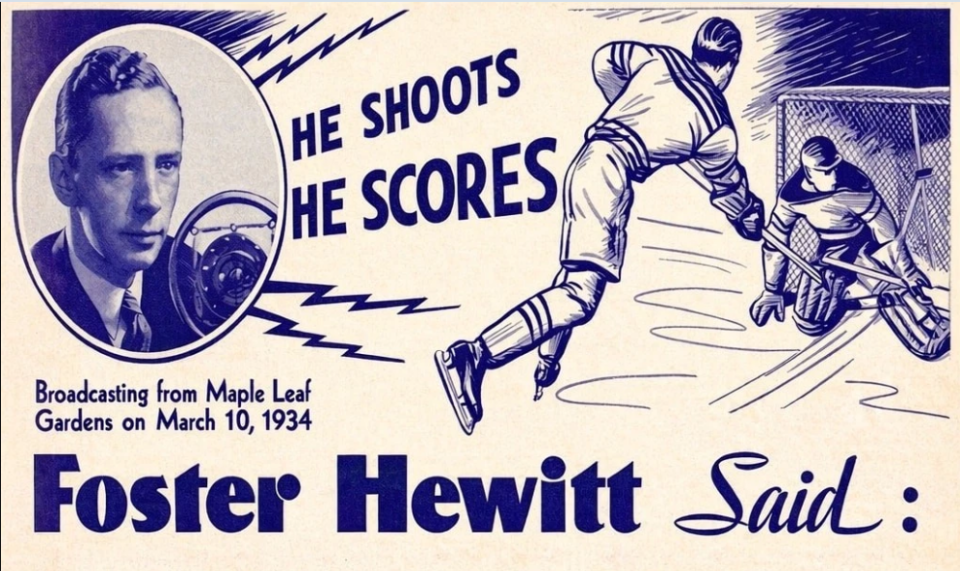




 You may not have heard about